
3rd School of Digital Transformation and Innovation for the Caribbean
- Overview
- Agenda
- Registration
- Speakers
- Presentations
- Documents
- Media
- Sponsors / Partners
- Remote
Participation - Event
Evaluation
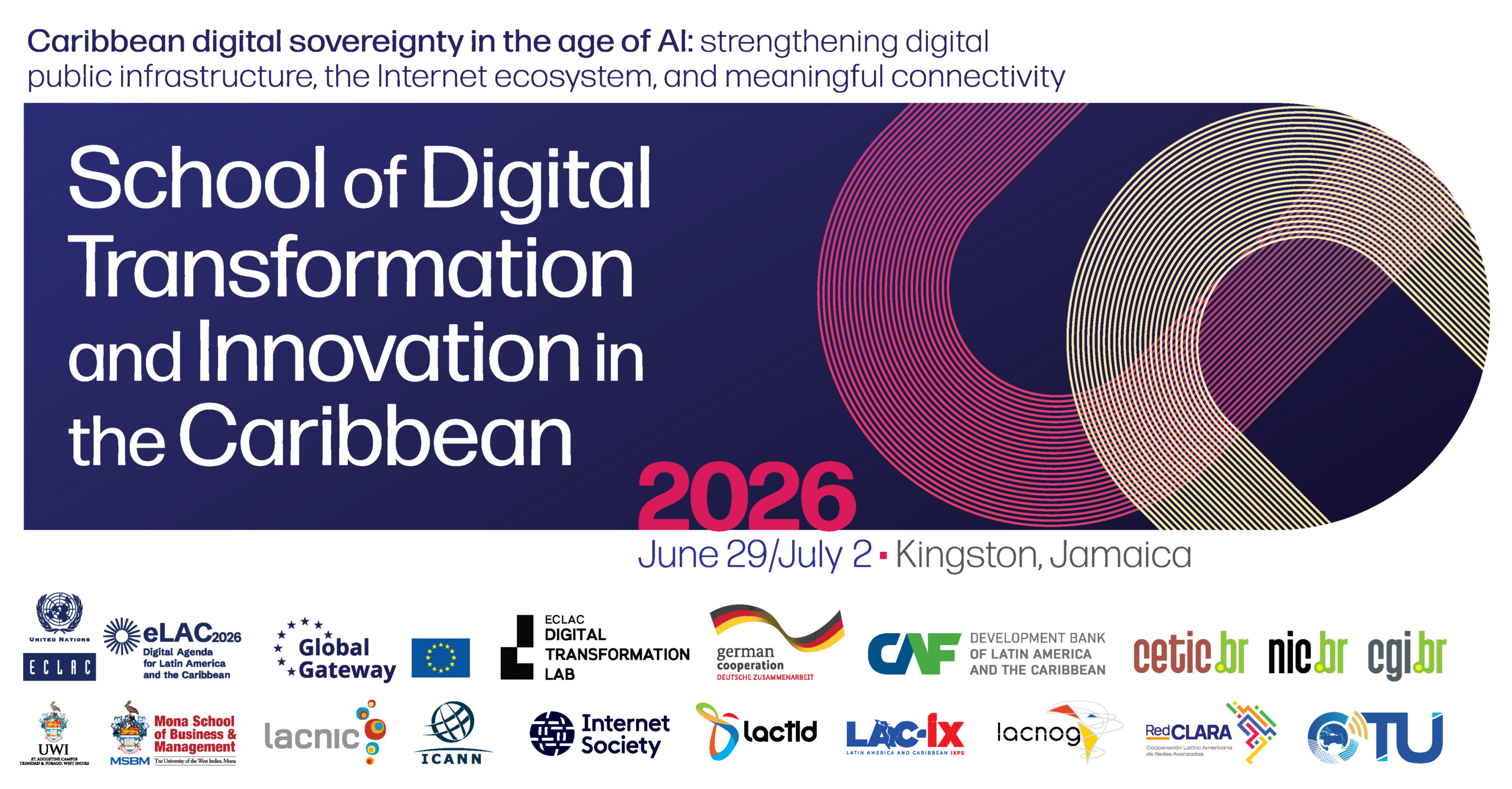
Theme: Caribbean digital sovereignty in the age of AI: strengthening digital public infrastructure, the Internet ecosystem, and meaningful connectivity
1. About the School of Digital Transformation and Innovation
The School of Digital Transformation and Innovation is a capacity-building programme that provides relevant content to policymakers in Latin America and the Caribbean through lectures, short courses, case studies, peer learning, and discussions. Over its eleven years of implementation, the School has become a recognized platform for learning and cooperation. It fosters intersectoral and multistakeholder dialogue, bringing together policymakers, international experts, and professionals from diverse sectors to address the challenges and opportunities of digital transformation and innovation in the region.
Following the success of its first and second Caribbean editions of the School, the third edition in 2026 aims to deepen engagement with regional policymakers, industry experts, and international organizations.
The Caribbean faces distinct challenges and opportunities in digital transformation. Small Island Developing States (SIDS) in the region grapple with issues such as:
- Limited telecommunications infrastructure
- Exposure to natural disasters
- Financial constraints
- Data governance and security concerns
To address these challenges, the 2026 School will emphasize infrastructure resilience, meaningful connectivity, the Internet ecosystem, artificial intelligence (AI), digital sovereignty, and digital public infrastructure (DPI). By focusing on these topics, the program aims to build capacities to face local challenges and enhance the Caribbean’s digital economy and regulatory landscape.
2. Organizers and partners
The Caribbean leg of the School is co-organized by prominent institutions, including:
- ECLAC: The United Nations Economic Commission for Latin America and the Caribbean
- CAF: Development Bank of Latin America and the Caribbean
- Cetic.br | NIC.br: Regional Centre for Studies for the Development of the Information Society, a department of NIC.br
- Internet Technical Community: LACNIC, ICANN, Internet Society, LACTLD, LAC-IX, LACNOG, Red CLARA
- CTU: The Caribbean Telecommunications Union
- UWI: The University of the West Indies
3. Objectives
The 2026 edition of the school seeks to:
- Advance policy development: Foster discussions on regulatory and policy frameworks for the Caribbean.
- Promote digital inclusion: Ensure that digital transformation efforts are equitable and inclusive, bridging the digital divide in underserved communities.
- Support development of resilient and sovereign digital infrastructure: Address the region’s vulnerabilities by promoting robust and sustainable digital infrastructure solutions.
- Build capacity to develop AI ecosystems and governance frameworks: Advance productive and social development.
- Strengthen regional cooperation: Promote cross-sectoral and regional collaboration to drive digital transformation.
- Build technical and strategic capacities: Equip policymakers and stakeholders with tools and capacities to navigate the evolving digital landscape, including the multistakeholder governance model of the Internet.
4. Thematic pillars
The program is structured around five key thematic pillars, each addressing critical aspects of digital transformation:
- Resilient, secure and sustainable digital infrastructure
- Internet governance, architecture and the evolving digital ecosystem
- Meaningful connectivity: measuring for public policy design
- Data governance, AI and digital innovation ecosystems
- Digital transformation for development: public services, economy and inclusion
5. Methodology
The school will provide a dedicated space for regional dialogue, capacity building, and collaboration, using an interactive and practical approach to learning, which combines:
- Lectures and workshops: Expert-led sessions on key thematic areas.
- Panel discussions and debates: Dialogues featuring policymakers, industry leaders, and researchers.
- Case studies presentation from participants: Showcasing existing digital initiatives.
6. Target Audience
The School is designed for mid-to-senior level policymakers (with at least seven years of experience) from ministries related to digital/ICT, finance, trade, planning & economy, and legal affairs. Additional participants will include regulators, industry representatives, chambers of commerce, academics, and international organizations engaged in digital transformation policy development in the Caribbean.
7. Event Details
- Date: June 29 – July 2, 2026
- Time: 9:00 AM – 5:30 PM (UTC -4)
- Venue: The University of the West Indies, Mona Campus, Kingston, Jamaica
- Mode: In-person participation. Scholarships will be awarded to selected candidates
- Registration: By invitation only; expressions of interest are encouraged
- Language: English (no interpretation services available)
- Certificates: Awarded to participants who complete at least two-thirds of the sessions
- Website: https://ctu.int/event/3rd-school-of-digital-transformation-and-innovation-for-the-caribbean/
CONTACT INFORMATION: For inquiries regarding participation in the School of Digital Transformation and Innovation in the Caribbean, please contact Dr. Maurice McNaughton, Director of the Center for Innovation at the University of the West Indies, at: maurice.mcNaughton@uwi.edu.
For logistics contact, please contact Ms. Camille Sinclair, Marketing Coordinator at the University of the West Indies, at: camille.sinclair@uwi.edu.
3rd School of Digital Transformation and Innovation for the Caribbean
Draft Agenda
| TIME | ACTIVITY | SPEAKERS |
| DAY 1 – UN ECLAC | ||
| 08:30 – 09:00 | Welcome Coffee | |
| 09:00 – 10:15 | Opening Session | Demetris Herakleous, UN ECLAC
Dr. Stacy Richards-Kennedy, CAF (virtual) Fabio Senne, Cetic.br / NIC.br Alan Ramírez, Internet Technical Community David McBean, UWI – MSBM Gary Kalloo, CTU Jamaican Government – TBD GIZ – TBD Moderator: European Commission – TBD |
| 10:15 – 10:30 | Coffee Break | |
| 10:30 – 12:30 | AI Governance | Yacine Khelladi, EU-LAC Digital Alliance
Chris Reckord, Jamaica AI Task Force Maurice McNaughton, UWI – MSBM Antonia Moreno, CENIA (virtual) Moderator: Demetris Herakleous, UN ECLAC |
| 12:30 – 13:30 | Greater Caribbean Connectivity Study: Advancing Resilience, Sovereignty and Regional Integration | Francesca Donà, EU-LAC Digital Alliance
Yacine Khelladi, EU-LAC Digital Alliance |
| 13:30 – 14:30 | Lunch | |
| 14:30 – 15:45 | Digital Resilience | Demetris Herakleous, UN ECLAC
Jose Urbina, Ministry of E-Governance Belize Juan Manuel Roldán, Consultant (virtual) Moderator: Demetris Herakleous, UN ECLAC |
| 15:45 – 16:00 | Coffee Break | |
| 16:00 – 17:00 | Digital Economy | Demetris Herakleous, UN ECLAC
Clarence Henry, OECS Edmund Burke, Government of Grenada Moderator: Shelley-Ann Clarke-Hinds, UN ECLAC |
| TIME | ACTIVITY | SPEAKERS |
| DAY 2 – Cetic.br / NIC.br and UWI | ||
| 09:00 – 10:30 | Meaningful connectivity: measuring for public policy design | Fernando Rojas, UN ECLAC (virtual)
Fabio Senne, Cetic.br / NIC.br Maria Myers-Hamilton, Jamaica Public Service Company Tatevik Grigoryan, UNESCO Moderator: Ana Laura Martínez, Cetic.br / NIC.br |
| 10:30 – 10:45 | Coffee Break | |
| 10:45 – 11:45 | Digital skills for meaningful connectivity.
A regional overview |
Florencia Ripani, ECLAC Consultant (virtual)
Ana Laura Martínez, Cetic.br / NIC.br Moderator: Ana Laura Martínez, Cetic.br / NIC.br |
| 11:45 – 12:45 | Strategic Data Leadership in the Public Sector | Mike Mora, OAS
Presenter: Maurice McNaughton, UWI – MSBM |
| 12:45 – 14:00 | Lunch | |
| 14:00 – 15:00 | Data governance in the age of AI | Tatevik Grigoryan, UNESCO
Lloyd Waller, UWI Moderator: Fabio Senne, Cetic.br / NIC.br |
| 15:00 – 15:15 | Introduction to Digital Public Infrastructure (DPI) | Matthew McNaughton, CO-DEVELOP / UWI
Presenter: Maurice McNaughton, UWI – MSBM |
| 15:15 – 16:15 | Understanding DPI governance | |
| 16:15 – 16:30 | Coffee Break | |
| 16:30 – 17:30 | DPIs for Education and Skills Sector transformation. Case Study: Jamaica’s Data Exchange Platform (JDXP) | Gunjan Mansingh, UWI
Raona Williams, UWI Anika Shuttleworth, GOJ Moderator: Maurice McNaughton, UWI – MSBM |
| TIME | ACTIVITY | SPEAKERS |
| DAY 3 – Internet Technical Community | ||
| 09:00 – 10:15 | How does the Internet work? | Alan Ramírez, LACNIC
Albert Daniels, ICANN Juan Peirano, Internet Society Rocío de la Fuente, LACTLD (virtual) |
| 10:15 – 10:30 | Coffee Break | |
| 10:30 – 11:15 | Domain Names Abuse | Albert Daniels, ICANN |
| 11:15 – 12:00 | Internet Exchange Points (IXPs): their role and relevance | Gabriel Adonaylo, LACIX (virtual) |
| 12:00 – 12:45 | Multistakeholder model for Internet governance | Albert Daniels, ICANN |
| 12:45 – 14:15 | Lunch | |
| 14:15 – 15:45 | Fair Share | Juan Peirano, Internet Society |
| 15:45 – 16:00 | Coffee Break | |
| 16:00 – 17:00 | Roundtable: The Future of the Internet | Alan Ramírez, LACNIC
Albert Daniels, ICANN Juan Peirano, Internet Society |
| TIME | ACTIVITY | SPEAKERS |
| DAY 4 – CAF | ||
| 09:00 – 10:30 | Sustainable Digital Infrastructures for the Caribbean: connectivity, data centres and cybersecurity | Alejandro Forero, CAF
Gary Kalloo, CTU Desiree Zachariah, Ministry of ICTs, Utilities & Energy Antigua and Barbuda Melesia Sutherland, Liberty Caribbean Moderator: Ana Laura Martínez, Cetic.br / NIC.br |
| 10:30 – 10:45 | Coffee Break | |
| 10:45 – 12:00 | Digitalization of Productive Sectors: tourism, agribusiness and logistics in the Caribbean | Alejandro Forero, CAF
Marlon Narcisse, Government of Saint Lucia José Urbina, Ministry of E-Governance Belize Michele Marius, Consultant Moderator: Demetris Herakleous, UN ECLAC |
| 12:00 – 13:15 | Emerging Technologies: AI and other techs — from rhetoric to real use cases in the Caribbean | Alejandro Forero, CAF
Craig Perue, UWI Kaymaureen Shim, JAMICTA Maurice McNaughton, UWI – MSBM Moderator: Demetris Herakleous, UN ECLAC |
| 13:15 – 14:15 | Lunch | |
| 14:15 – 15:45 | AI Sovereignty and the Building of a National AI Ecosystem | Polona Picman Stefancic, EU-LAC Digital Alliance |
| 15:45 – 16:00 | Evaluation | Facilitator: Nádilla Tsuruda, Cetic.br / NIC.br |
| 16:00 – 16:30 | Closing Ceremony | Alejandro Forero, CAF
Demetris Herakleous, UN ECLAC Ana Laura Martínez, Cetic.br / NIC.br Internet Technical Community – TBD UWI – TBD Moderator: UWI – TBD |
 Legal and Policy Specialist, Ministry of the Interior and Public Administration of the Republic of Slovenia Dr. Polona Pičman Štefančič Dr. Polona Pičman Štefančič is a Slovenian legal expert, policy advisor and AI ethics specialist working at the intersection of law, digital governance and democratic technology policy. At the Ministry of the Interior and Public Administration of the Republic of Slovenia, she serves as Deputy High-Level Representative of Slovenia to the European Artificial Intelligence Board, Slovenia’s national representative to the Council of Europe Committee on Artificial Intelligence and New Technologies, and a UNESCO AI Ethics Expert. She is the lead author of Slovenia’s National AI Strategy 2030 and the national coordinator for UNESCO’s AI Readiness Assessment Methodology. |
 Coordinator of Regional Cooperation at Cetic.br | NIC.br Ana Laura Martinez Ana Laura Martinez is Coordinator of Regional Cooperation at Cetic.br | NIC.br, leading capacity-building and comparative research initiatives in Latin America and Portuguese-speaking African countries. Previously, she was Head of Monitoring and Evaluation and Social Development Manager at Plan Ceibal (Uruguay). She has authored publications on education and digital inclusion, coordinated frameworks for measuring ICT access and use, and produced monitoring reports on digital agendas in Latin America and the Caribbean. She is a Doctoral Candidate in Latin American Studies at the University of Sao Paulo (Brazil) and holds Master’s degrees from Columbia University (New York, USA) and PUC-SP (Brazil) as well as a BSc in Sociology from Universidad de la República (Uruguay). |
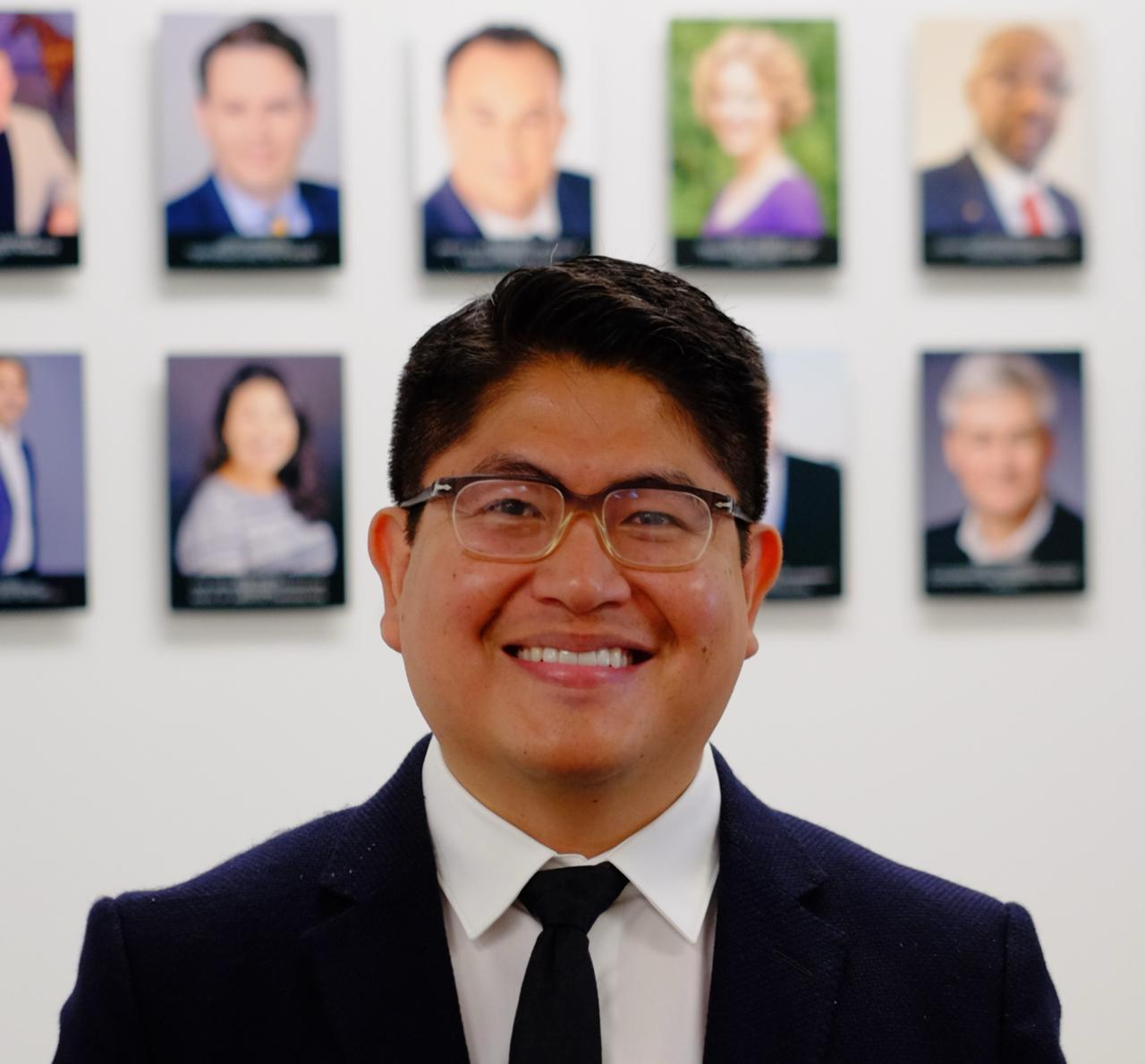 Strategic Relations Coordinator at the Latin American and Caribbean Internet Addresses Registry (LACNIC) Alan Ramírez Alan Ramírez serves as Strategic Relations Coordinator at the Latin American and Caribbean Internet Addresses Registry (LACNIC). He was also recently reappointed as an advisor to the United Nations Internet Governance Forum, as a Multi-stakeholder Advisory Group member. His recent experience lies as a consultant for the International Telecommunication Union, a policy specialist in the Peruvian government, and an academic, inter alia. Alan holds a degree in telecommunications engineering and a master’s degree from the Technical University of Catalonia – Barcelona Tech, Spain, as well as other master’s degrees in engineering and in government and policy from Pontifical Catholic University of Peru, where he is also a lecturer in the Graduate School. |
 Economist and Digital Development Expert Yacine Khelladi Yacine Khelladi is an economist and digital development expert based in the Caribbean with over 30 years of experience as a consultant, researcher, and civil society advocate. He works with governments, regional bodies, and development cooperation agencies to actively shape national and regional digital and AI policies. His recent work includes supporting the development of Peru’s draft National Artificial Intelligence Strategy. He is a founding board member of the Caribbean Open Institute, which he represented on the OAS-led Inter-American Working Group on Data Governance and Artificial Intelligence that developed the region’s framework for data governance and AI. His direct work also includes coordinating action-research on utilizing machine learning to mitigate online hate speech and serving as a country researcher for the Global Index on Responsible Artificial Intelligence. |
 Regional Integration Specialist, Organisation of Eastern Caribbean States Clarence Henry Clarence Henry is a development economist, currently serving as a regional integration specialist at the Organisation of Eastern Caribbean States (OECS). He has over a decade of experience spearheading economic integration and policy transformation and a proven track record of leading multi‑country initiatives to harmonize legal frameworks, advance free movement regimes, and implement strategic development programmes. Clarence Henry is adept at building consensus among diverse stakeholders and driving institutional reform to achieve sustainable economic development outcomes for Small Island Developing States (SIDS). |
 Research Coordinator at the Regional Center for Studies on the Development of the Information Society (Cetic.br) Fábio Senne Research Coordinator at the Regional Center for Studies on the Development of the Information Society (Cetic.br), linked to the Brazilian Network Information Center (NIC.br). Researcher in the field of digital inequalities, is currently responsible for planning and implementing ICT-related research projects in Brazil, as well as cooperating with Latin America and Portuguese-speaking countries in Africa to strengthen international comparability of indicators. Mr. Senne has integrated expert groups leaded by international organizations such as UNESCO, OECD, UN-ECLAC and PAHO-WHO. Mr Senne holds a PhD degree in Political Science from the University of São Paulo (Brazil), a Master Degree in Communication from University of Brasília (Brazil) and a BSc Degree in Social Sciences from the University of São Paulo (Brazil). |
 Senior Manager for Stakeholder Engagement for the Caribbean, ICANN Albert Daniels Albert joined ICANN in 2013. He is located in Saint Lucia and is a member of ICANN’s Global Stakeholder Engagement team for Latin America and the Caribbean. As the ICANN Senior Manager for Stakeholder Engagement for the Caribbean, Albert leads engagement in 32 Caribbean Territories and also leads specialized projects in the ICANN Latin American and Caribbean Regional Strategy. Albert’s responsibilities include developing and executing the organization’s strategic and tactical objectives in the Caribbean region. Prior to working at ICANN, Albert served as an Information Systems, and Information Security Auditor; ICT Consultant at Creative Technology Solutions Limited (CTSL). He also held the position of Regional IT Manager at KPMG Eastern Caribbean, and Accounts Supervisor/IT Trainer/Group IT Director at the CHL Group in Saint Lucia. Albert served on several national Boards in Saint Lucia, and has broad internet and technology related experience having personally introduced the Internet to Saint Lucia in 1993. He has attended many ICANN meetings; and has been involved in the ICANN Fellowship program as one of the first fellows in 2007 and also as a fellowship mentor. Albert holds a Bachelors of Business Administration in Information Technology and also specialized in Project Management at the University of Cambridge; he also holds several professional and industry certifications. Albert is fluent in English and conversant in Spanish, French, Norwegian and French Creole. |
 Director Centre for IT-enabled Innovation Mona School of Business & Management, Mona School of Business and Management, The University of the West Indies, Mona Maurice McNaughton Dr. Maurice McNaughton is Director of the Centre of Excellence and Innovation at Mona School of Business and Management, The University of the West Indies, Mona. He has over 20 years of senior management and leadership experience in the planning and direction of enterprise-level Information Technology in organizations. Dr. McNaughton’s research interest spans the domain of emerging Open ICT Ecosystems and includes areas such as: Open Data, Big Data, Mobile Financial Services, and Digital Capacity Building. He integrates extensive industry experience with focused academic research about the strategic use of ICTs as an enabler of business innovation in small and large enterprises, as well as a growth-enabler for developing economies. |
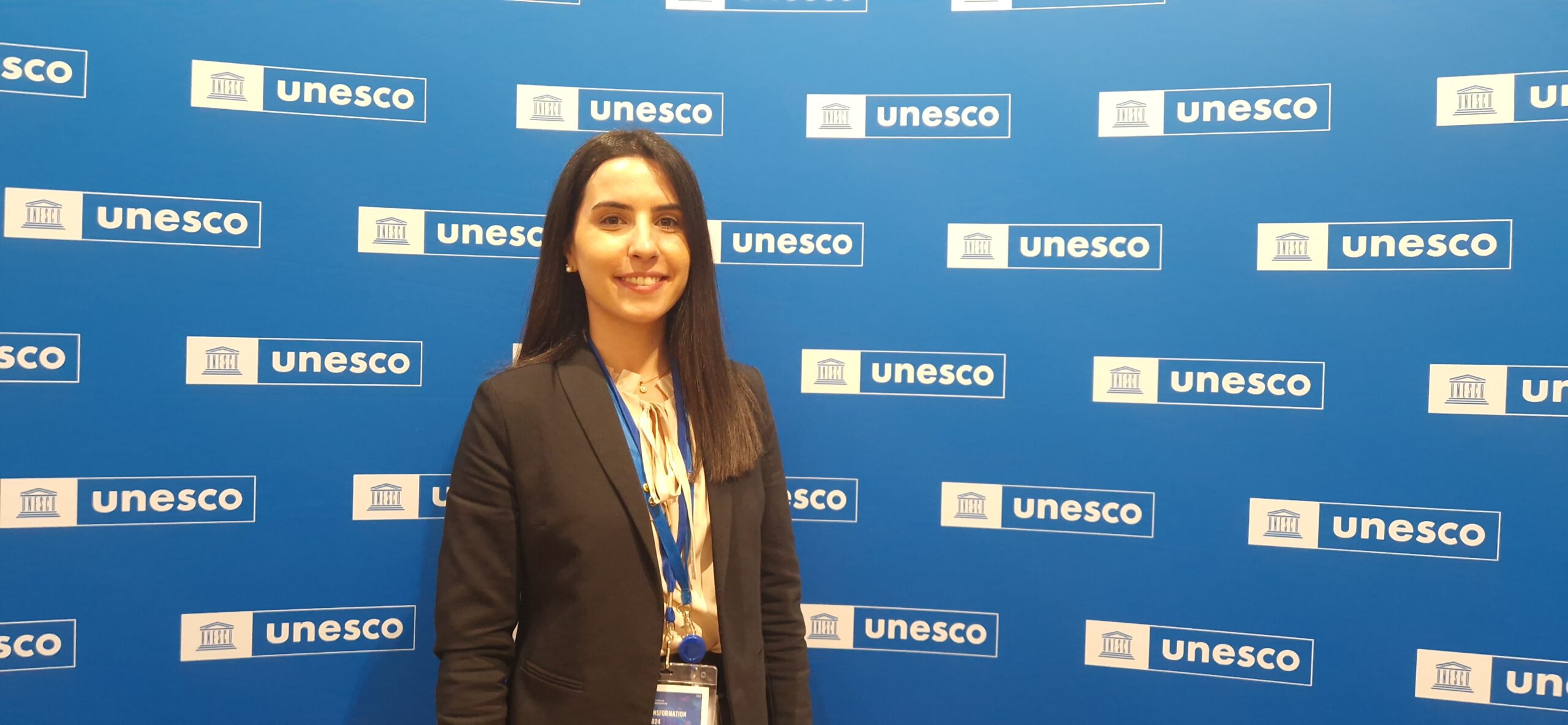 Associate Programme Specialist for Digital Policies and Digital Transformation, UNESCO Tatevik Grigoryan Tatevik Grigoryan works at UNESCO as an Associate Programme Specialist for Digital Policies and Digital Transformation. She leads UNESCO’s work on advancing rights-based, open, accessible, and multi-stakeholder approaches to Internet governance, with a focus on evidence-based and data-driven policymaking. She also works on data governance in Asia and the Pacific. Prior to her current role, she worked on media and information literacy at UNESCO. Before joining the Organization, she served at the OSCE Secretariat, where she focused on combating transnational organized crime and cybercrime, as well as exploring the use of AI within law enforcement and the judiciary. |
 Managing Director of the Spectrum Management Authority (SMA), Jamaica Dr. Maria Myers-Hamilton Dr. Maria Myers-Hamilton is Managing Director of the Spectrum Management Authority (SMA) in Jamaica, Chair of the Caribbean Telecommunications Union (CTU) Spectrum Management Task Force and the Chair of the CTU Network of Women (CTU-NoW). She also serves as a Commissioner and Chair of the Broadcasting Commission of Jamaica, and is a Justice of the Peace for the parish of St Andrew, Jamaica. Her professional experience spans multiple sectors, including roles such as Director of Cross- Sectoral Coordination at the Early Childhood Commission, Chief Executive Officer of Caribbean School Limited, Director of Information Systems at Jamaica Public Service Company, and Senior Consultant in strategic planning and operations. She has authored Handbook of a Learning Organization (2016). Dr. Myers-Hamilton holds a Bachelor of Science in Management Studies (Finance) from the University of the West Indies, a Master of Business Administration with a focus on International Banking from Nova Southeastern University, and a Doctor of Education (EdD) in Instructional Technology and Distance Learning from Nova Southeastern University. |
 Digital and Open Government Section within the Department for Effective Public Management (DEPM) of the Secretariat for Strengthening Democracy of the Organization of American States Mike Mora Mike Mora leads the Digital and Open Government Section within the Department for Effective Public Management (DEPM) of the Secretariat for Strengthening Democracy of the Organization of American States. Since 2007, he has contributed as a Senior Specialist to advancing more efficient and transparent governments across the Americas, with stronger mechanisms for citizen participation. His portfolio includes managing initiatives in the areas of Digital Government, Open Government, and Cadastre and Property Registration. This includes coordinating the Inter-American Program on Open Data to Prevent and Combat Corruption (PIDA), the Inter-American Reference Framework on Data Governance and Artificial Intelligence (MIGDIA), and previously, the OAS Efficient and Transparent Municipalities Program (MuNet). Through the DEPM, Mike serves as Technical Secretary of the Inter-American Digital Government Network (RedGEALC) and the Inter-American Cadastre and Property Registry Network (RICRP) since 2013. |
 Executive Secretary of the Latin American Artificial Intelligence Index (ILIA) Antonia Moreno Head of Public Policy at the National Center for Artificial Intelligence and Executive Secretary of the Latin American Artificial Intelligence Index (ILIA). She has more than seven years of experience designing and implementing public policies at Chile’s Ministry of Economy, Development and Tourism, where she led projects with social impact through programs that brought technology closer to entrepreneurs and small and medium-sized enterprises (SMEs). Throughout her career, she has specialized in three key areas: building partnerships and fostering collaboration among public, private, and civil society actors; applying strategic and innovative approaches to the design of complex projects; and developing public policies that make emerging technologies more accessible to people. |
 UWI Lecturer of Education, published author, Health/Education consultant and future-focused Digital TVET champion Dr. Raona Williams Dr. Raona Williams is a distinguished, award-winning UWI Lecturer of Education,published author, Health/Education consultant and future-focused Digital TVET champion with an impactful footprint across corporate, governmental and academic spheres. Her post-doctoral research specialisms centre around investigating digital transformation developments in education, Technical, Vocational and Educational Leadership/Workforce Development advancements, the future of education using virtual learning technologies, Internet of things (IOT) and artificial intelligence/machine learning (AI/ML) tools to foster knowledge-economy driven excellence and forward-thinking Caribbean and Global entrepreneurship. She is a driven ‘pracademic’ being a registered practitioner and clinical educator in addition to be an university lecturer, with years of experience spanning three decades, providing career professional development apprenticeship and specialised training opportunities for medical graduates and practicing physiotherapy clinicians. Deeply committed to innovation and education accessibility, specifically considering physical health, gender, economic, educational and cultural diversity, she engages in active interdisciplinary global research collaborations with the AIEOU hub of University of Oxford, UK to reduce inequalities and ensure that AI in education digital transformations are bolstered in equitable, inclusive design solutions, and safeguarded against algorithmic bias/cultural data exploitation. Her extensive academic research and creative works span decades and are widely available. Her peer-reviewed academic manuscripts have featured in prominent publications such as the Caribbean Journal of Education, Caribbean Journal of Education and Development, Caribbean Conjectures and Frontiers in Education journals. She is also the author of four books covering critical contemporary domains: generative AI/ML trends in Caribbean education and entrepreneurship, the global celebration of modern literature across the Caribbean diaspora, foreign policy and sustainable development initiatives bridging Caribbean and Gulf countries, and pioneering linguistic compilations that translate and transliterate Patois, Kwéyòl and Modern Standard Arabic writings. |
 Professor of Data Science at the Department of Computing, The University of the West Indies (U.W.I), Mona, Jamaica Gunjan Mansingh Gunjan Mansingh is a Professor of Data Science at the Department of Computing, The University of the West Indies (U.W.I), Mona, Jamaica. She brings extensive expertise to her teaching, covering undergraduate and the graduate courses in Computer Science, Information Systems and Data Science including Business Intelligence, Programming, Artificial Intelligence, Data Visualization, and Knowledge Discovery and Analytics. Beyond Academia she holds key leadership roles in Jamaica’s digital transformation. She serves as a Chairperson of ICT Authority of Jamaica, the entity responsible for ICT services and solution for Government of Jamaica. She is also a member of the Steering Committee for CARICOM Girls in ICT and she sits on the board of Jamaica National Financial Group. Her research focuses on leveraging data, information, and knowledge to enhance decision-making. She is a co-author of the book “Business Intelligence for SMEs: An Agile Roadmap for Sustainability” and is a co-editor of an edited book titled “Knowledge Management for Development: Domains, Strategies and Technologies for Developing Countries”. |
 Systems Information Engineer from the Universidad Tecnológica Nacional of Argentina Gabriel Adonaylo Gabriel is a Systems Information Engineer from the Universidad Tecnológica Nacional of Argentina with various postgraduate courses, including at Stanford University and the Kellogg Business School at Northwestern University. For more than 20 years, he has served as Internet Product Manager and later as Portfolio Director for Latin America at Comsat International and British Telecom. He currently coordinates LAC-IX, the Latin American and Caribbean Internet Exchange Point Operators Association, representing the organization in the Federation of Traffic Exchange Points. He participates in the organization of the Latin American and Caribbean Peering Forum. He is part of the Technical Community, a group comprised of representatives of the region’s various Internet organizations. He is a member of the LACNIC Board, where he is currently serving as the organization’s treasurer. Prior to this, he served on LACNIC’s Fiscal Commission for 10 years. He was one of the founders of NAP CABASE and later vice president of the current Argentine Internet Chamber. He was part of the original team working on NAPLA (later the Regional Interconnection Forum). He was a founding member of LACNOG, the Latin American and Caribbean Network Operators Forum. |
 Chief Executive Officer within Belize’s Ministry of E-Governance Jose Urbina Jose Urbina is a digital transformation executive and public-sector leader recognized for driving large-scale modernization through technology, policy, and governance reform. As Chief Executive Officer within Belize’s Ministry of E-Governance, he has led the design and execution of the country’s first National Digital Agenda and supported the implementation of the Digital Government Act of 2022, advancing more efficient, transparent, and citizen-centric public services. |
 PhD Telecom/ICT Expert and Senior Advisor, Luxon Consulting Group, LLC Juan M. Roldan Mr. Roldan is a telecommunications and ICT expert with more than 20 years of international experience in spectrum management, licensing and authorization frameworks, competition and market analysis, quality of service, digital infrastructure, and emergency telecommunications. He has advised governments and regulators on policies related to digital transformation, connectivity, public warning systems, and resilient communications infrastructure, including the design and implementation of cloud-based public warning systems and emergency communications networks that support the continuity of critical services. He has held senior positions in both the public and private sectors. In 2018, he founded Luxon Consulting Group, LLC, through which he has provided advisory and consulting services to governments, regulators, multilateral organizations, and private-sector clients in more than 25 countries across the Americas, Asia, and Africa. |
 General Manager of LACTLD Rocío de la Fuente Rocío de la Fuente is the General Manager of LACTLD, the Association of country code Top-Level Domain (ccTLD) registries in Latin America and the Caribbean. Since 2018, she has worked with the regional ccTLD community, leading and coordinating collaborative projects that promote domain names and strengthen the infrastructure and availability of the DNS service in the LAC region. |
 Director, Technical Policy at the Internet Society Juan Peirano I work as Director, Technical Policy at the Internet Society, focus on policy issues related to interconnection infrastructure, access technologies, sustainable connectivity models and Internet governance. I aspire to help connect as many people as possible the great resource that it is the Internet. I’ve been an active participant in the Internet ecosystem and telecommunications industry for over 12 years, working in cross-cutting roles between public policy and engineering. I’m a Telecommunications Engineer from ORT University in Montevideo, Uruguay, and have a Master in Public Policy from the University of Bristol in the United Kingdom. |
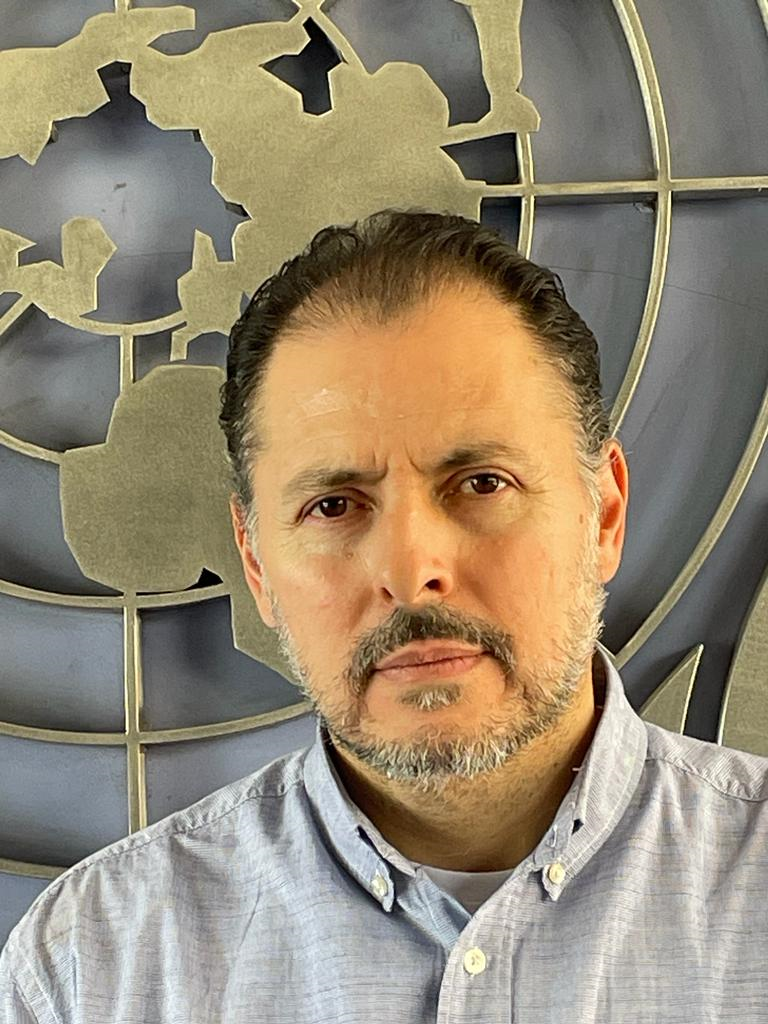 Division of Production, Productivity and Management, United Nations Economic Commission for Latin America and the Caribbean (ECLAC) Fernando Rojas Fernando Rojas has more than 25 years of experience in the telecommunications sector. Since 2010, he has worked in the Division of Production, Productivity and Management of the Economic Commission for Latin America and the Caribbean of the United Nations (ECLAC) as a specialist in telecommunications infrastructure and the digital economy. In 2011, he took on the coordination of ECLAC’s Regional Broadband Observatory (ORBA), a platform designed to help countries in the region develop and monitor public policies aimed at universalizing broadband services. He is also part of the technical secretariat of the eLAC process, a regional ICT policy dialogue platform established in 2005, where he coordinates the working group on meaningful connectivity. Previously, he served as Director of Economic Regulation at Bolivia’s Telecommunications Supervisory Authority. He holds a degree in Economics, a master’s degree in Management and Public Policy, another master’s degree in Corporate Finance, and a postgraduate degree in Policy Management for Promoting Competition and Consumer Protection in the Telecommunications Sector. |
 Digital Director for the Government of Grenada Edmund Burke Edmund Burke is a technology and telecommunications professional with more than 29 years of experience in the ICT sector. He currently serves as Digital Director for the Government of Grenada, where he leads digital transformation initiatives and represents the country on cybersecurity and cybercrime matters. He also serves as a Board Director of the Eastern Caribbean Telecommunications Authority (ECTEL), Chair of CARICOM COTED ICT Officials, and a member of the CARICOM AI Taskforce and the EU-LAC Digital Alliance AI Working Group. Throughout his career, he has specialized in the design, integration, and management of complex telecommunications networks and digital infrastructure, with expertise spanning broadband, wireless, satellite, fiber-optic, and IP-based technologies, as well as large-scale operations, project management, and disaster resilience. |
 Director for Inclusion, Safeguards and Civil Society Engagement, Co-Develop Matthew McNaughton Matthew McNaughton is a digital development practitioner from Kingston, Jamaica. He is the Director for Inclusion, Safeguards and Civil Society Engagement at Co-Develop, a non-profit fund that supports countries implementing safe and inclusive Digital Public Infrastructure. He also cofounded the SlashRoots Foundation, a social impact organization that uses digital practices to improve the design and delivery of public services and development programs in the Caribbean. Matthew develops strategies and leads projects that focus on practical applications of digital technology, service design, and citizen participation in governance. |
 Chief Information Officer (CIO) of the Information and Communications Technology (ICT) Authority Anika C. D. Shuttleworth Mrs. Anika C. D. Shuttleworth is a powerhouse in Jamaica’s digital transformation landscape. She currently serves as Chief Information Officer (CIO) of the Information and Communications Technology (ICT) Authority. She brings over 24 years of experience, with a career grounded in strategy, innovation and national development. Before stepping into her role as CIO, she served as Chief Executive Officer of eGov Jamaica Limited, where she led key digital initiatives that strengthened public sector efficiency and advanced digital transformation. Her career reflects a steady rise through impactful leadership roles, including Senior Director of the Business Solutions Services (BSS) Division and Department Head positions spanning Research and Innovation, as well as Business and Product Development and Strategic Planning. Mrs. Shuttleworth’s depth and versatility are reflected in her academic and professional achievements. She is a Professionally Accredited Director and a certified Scrum Product Owner, holding a Master of Science in Computer-Based Management Information Systems and a Bachelor of Science in Computer Science from the University of the West Indies, Mona. She is also a KOICA Fellow in eGovernment for CARICOM countries and holds certifications in Project Management, Lean Six Sigma, Strategic and Corporate Planning and Budget Management. Throughout her career, she has consistently delivered results across strategic management, business and product development, project execution, software engineering and quality management. Her work is driven by a sincere commitment to service excellence and the empowerment of the next generation of leaders and innovators. She shows up in classrooms, on stages, and in mentorship spaces from basic schools to universities, meeting young people where they are and reminding them of what is possible. Mrs. Shuttleworth’s service extends far beyond the boardroom. As an ordained Pastor, she openly shares her Christian faith and serves with a deep love for the Lord. Ask her though, and she will tell you that her greatest accomplishments are the ones that do not appear on any résumé: those of wife and mother. |
 Directorate-General of International Partnerships of the European Commission within the EU-LAC Digital Alliance Francesca Donà Francesca Donà works at the Directorate-General of International Partnerships of the European Commission within the EU-LAC Digital Alliance as specialised consultant, focusing on digital connectivity, data governance and regional cooperation with Latin America and the Caribbean. She has extensive experience in EU programming, project management and policy coordination across different European Commission services and private entities. Her work focuses on translating digital policy priorities into concrete cooperation and Global Gateway opportunities, including in the fields of submarine cables, satellite connectivity and digital transformation. |
 Professor of Digital Transformation Policy and Governance and Director of SALISES at The University of the West Indies, Mona Lloyd G. Waller Professor Lloyd G. Waller is Professor of Digital Transformation Policy and Governance and Director of SALISES at The University of the West Indies, Mona. He also served for ten years as Director of the Centre for Leadership and Governance, where he advanced work on leadership, public policy, governance, institutional strengthening, and national development. He is also Executive Director of the Global Tourism Resilience and Crisis Management Centre (GTRCMC), a global think tank headquartered at UWI, with offices across the UAE, North America, Africa, and Europe. Through the GTRCMC, his work helps destinations worldwide prepare for, manage, and recover from crises by supporting governments and industry partners to strengthen readiness, coordinate response, protect reputation, and accelerate recovery. He played a leadership role in helping destinations navigate the COVID-19 shock, supporting safer reopening and long-term resilience across various destinations worldwide. Awarded Jamaica’s national honour, the Order of Distinction, Commander Class, for his work in globalising tourism resilience and implementing successful destination resilience solutions, Professor Waller partners with governments, civil society organisations, international businesses, and multilateral organisations to support tourism resilience and broader development transformation. With over 200 publications, his work is generally focused on transforming developing economies by improving productivity, inclusion, and resilience through smarter public services, digital technologies, and data-informed decision-making. He sits on national and international boards, committees, and think tanks, advising on tourism resilience, other forms of resilience, GenAI, digital transformation, innovation, crisis management, and strategic governance. |
 Consultant to the United Nations Economic Commission for Latin America and the Caribbean (ECLAC) María Florencia Ripani Consultant to the United Nations Economic Commission for Latin America and the Caribbean (ECLAC). She led the adaptation of the European DigComp framework to the region (DigComp LAC), through an initiative funded by the European Commission and the German Federal Ministry for Economic Cooperation and Development (BMZ), implemented by GIZ with the support of ECLAC and CETIC. She is an international expert, researcher and professor specialising in digital skills, digital transformation and public policy in the region, with over 20 years of experience across government, academia and international organisations. She holds a PhD in Creative Technologies from the University of Portsmouth and an MA in Documentary by Practice from the University of London. Her work focuses on the meaningful and effective use of digital technologies and AI, bridging policy design, implementation and capacity building at scale, particularly in low-resource contexts. She is the author of publications on digital skills and artificial intelligence in education and other public policy areas, with a focus on their implications for policy and practice in Latin America and the Caribbean. |
 Consultant, Manager, Regulator, Engineer and Author Michele Marius An experienced Consultant, Manager, Regulator, Engineer and Author, Michele Marius has over 20 years of experience in the ICT and telecommunications space. She is the Publisher, Editor and Primary Contributor of ICT Pulse (www.ict-pulse.com), a well-respected and longstanding online publication that discusses topical telecommunications and ICT issues from a Caribbean perspective, and the Host of the ICT Pulse Podcast. She is also the Director of ICT Pulse Consulting Limited, a research and advisory firm that specialises in a broad range of ICT and telecommunications issues and is based in Jamaica. |
 Chartered Director and Strategic Advisor, Liberty Caribbean Melesia Sutherland Ms Sutherland is a senior telecommunications and regulatory affairs executive with over 20 years of experience advancing digital transformation and regional collaboration across the Caribbean. A Chartered Director and strategic advisor, she leads regulatory engagement for Liberty Caribbean (t/a Flow). She has represented the Caribbean in international spectrum fora, guided influential industry positions on space policy, spectrum, and 5G, and is an active member of the CTU Spectrum Harmonisation Taskforce, and speaks at regional and global events. A former Director of CANTO, the 120+ strong regional telecom trade association and past Chair of its Regulatory & Emerging Technology Committee, she remains committed to strengthening the region’s digital resilience and long-term competitiveness. |
 Information Technology Consultant Desiree Zachariah Desiree Zachariah is an Information Technology Consultant with more than 30 years of experience in the field. She is a highly motivated professional with strong skills in cybersecurity, business analysis, project management, computer system implementation, data analytics, digitization, proposal writing, procurement management and training. She holds a Bachelor’s degree in Computer Science and a Masters Degree in Contemporary Diplomacy with a Concentration in Internet Governance and currently works in the e-Government Department of the Ministry of Information and Communications Technologies (ICTs). |